










































Gender and Immunization Demand Checklist
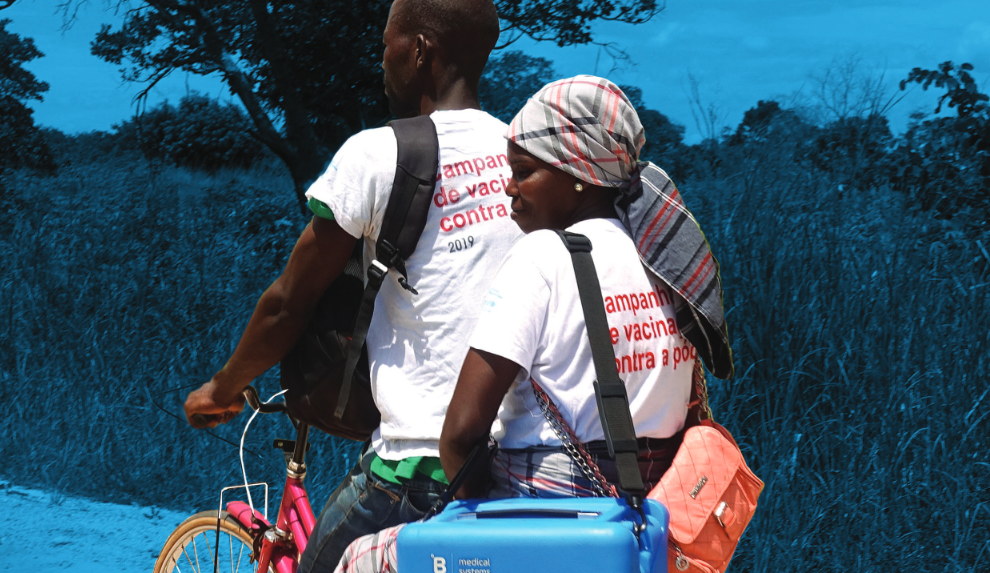
"Identify role models and positive social norms around vaccines (e.g., female health workers who are vaccinated or fathers who accompany their wives and children to the vaccine centre)..."
From the United Nations Children's Fund (UNICEF), this checklist aims to guide country offices on key gender considerations as they plan, implement, monitor, and evaluate gender-responsive or transformative demand interventions for immunisation. It provides a broad list of considerations so planners can select those actions that are relevant or feasible in their contexts.
The checklist draws on the five steps of the programme planning cycle and includes an understanding of gender barriers as well as opportunities for transformative change at every step:
- Analyse the situation: Ensure that gender-based differences are included in your analysis, and consider the normative drivers and root causes of gender-related issues.
- Design and plan: Consider gender norms, roles, and barriers in access and control of resources when planning the intervention, and articulate explicit gender results. Identify appropriate communication and community engagement platforms, and ensure that men, allies, and norm enforcers are part of the change process.
- Engage and communicate: Engage with individuals, families, role models, influencers, and community leaders using gender-transformative approaches to promote social change and equality. Avoid stereotypes, and include aspirational and transformative messages.
- Implement: Monitor the implementation of the programme, assessing and adapting for disparities in reach and participation. Aim to achieve programmatic goals while also shifting power dynamics.
- Evaluate: Measure for gender-specific changes in knowledge, attitudes, and practices (KAP), and include measures for equality and empowerment, changes in decision-making, sharing of household responsibilities, domestic violence, and women's status.
The checklist includes suggested actions, and it is not expected that every immunisation demand intervention will incorporate all the dimensions. UNICEF notes that several points may need to be carried out across all steps - for example, participatory approaches or gender analysis should inform the entire programme cycle.
English; French; Spanish
8
Emails to The Communication Initiative from Deepa Risal Pokharel on October 18 2022 and from Amelia Rui Cao on March 15 2023 and April 6 2023; and Vaccination Demand Hub, October 27 2022. Image credit: © UNICEF/UN0632384/Mario Lemos
- Log in to post comments