










































Positive Lives
Positive Lives uses photography and personal testimonies to confront the attitudes at the root of the stigma and prejudices surrounding HIV/AIDS. Photographic exhibitions serve as a catalyst for - and are held in conjunction with - training workshops, outreach initiatives, health awareness and education programmes, and media communication activities. The organisation works with local HIV groups and international aid agencies to incorporate the photographic essays into a number of formats, including large-scale exhibitions, travelling sets, small laminate and poster displays, websites, videos, books, and other publications. For a list of the photographic exhibits sponsored by the project, click here.
To cite one example of a specific collaborative project, Positive Lives teamed up with Ayuda en Acción for an exhibition at AIDS 2008 - the XVII International AIDS Conference, held in Mexico City, Mexico, in August 2008. The event included new work by photographer Pep Bonet from his documentary series developed through working with Honduran communities vulnerable to HIV/AIDS. (Positive Lives had already initiated a partnership with Ayuda en Acción in Spain to raise awareness of the global epidemic and its impact across Spanish society and to increase Spain's advocacy at international political forums.) The exhibition highlighted 4 themes with images and stories from across the world, as well as the Honduras photographs: AIDS orphans affected by the virus and cared for by grandparents in extreme poverty; the link of violence against women and AIDS; homophobia and AIDS; and AIDS in transsexual, transgender, and commercial sex worker settings. Staff members from Ayuda en Acción México were present to provide information and details.
The internet is used as a tool for sharing these photographs, and extending their reach. An online collection that represents a small portion of the work thus far is also available (click on "Stories" at the link provided above). By selecting various regions on an interactive map of the world, users of this site can enter into different photographic exhibits documenting the lived experience of this condition. For instance, in South Africa, visitors can read a bit of background about the work and the residents of Nazareth House, which is a children's home in Cape Town taking care of abandoned children with HIV or AIDS. They can then view the images. In Edinburgh, visitors get a glimpse of the lives of young drug abusers at the Muirhouse Estate who are also living with either HIV or AIDS. In the words of photographer John Sturrock, "In Muirhouse I witnessed the emotional struggle of people enduring a tragedy..." However, organisers point out that hope is present in these photographic essays as well, as they represent a broad range of emotions.
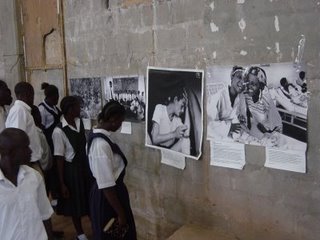
Positive Lives is making use of new social networking tools, such as a blog (featuring updates of specific exhibitions such as a July 2009 event in Liberia, which featured community events including drama, music, a street parade, quizzes, sports events, and condom distribution) and a Flickr photostream.
HIV/AIDS.
In the words of Stephen Mayes, Co-founder of Positive Lives: "We are familiar with the many roles that photography plays in the world: sometimes they store memories, sometimes they sell products, sometimes they inform and sometimes, very occasionally they alter the world. Change is not the responsibility of the photographer but rather it is our job as viewers, the new custodians of the images, to reach into the pictures to find the tools we need to face the future. Whether we find a private source of courage, a new understanding of our strengths or recognition of our vulnerability these pictures are about all of us."
As of early 2009, Positive Lives had been seen by over 2 million people worldwide.
Concern Worldwide, The Levi Strauss Foundation, and The Terrence Higgins Trust. Additional support provided by ActionAid Alliance, AIDS Trust of Australia, and Brainwaave Interactive.
SANTEC February 2004 Information Update No 3; Positive Lives website; and a news release from the Positive Lives Committee, forwarded by email from Peter Lister to The Communication Initiative on February 8 2009.
- Log in to post comments