










































Technical Guidance for Communication for Development Programmes Addressing Violence Against Children
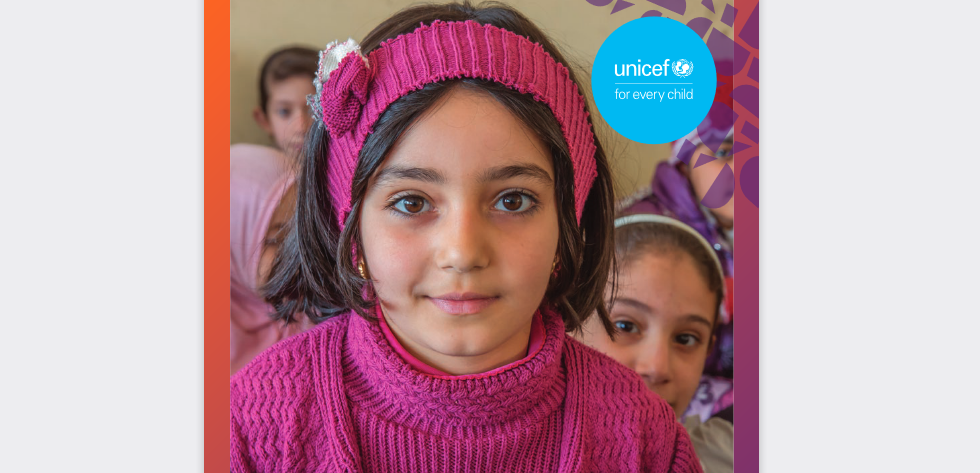
"Participation and empowerment are central to the collective social change required to prevent and respond to violence. In order to address the deep-seated normative aspects of VAC, a holistic social and behaviour change approach is required."
Created as part of a research study undertaken by the United Nations Children's Fund (UNICEF) and Drexel University, this technical guidance document presents the basics of researching, planning, monitoring, and evaluating communication for development (C4D) interventions that address violence against children (VAC). It is based on the conviction that C4D can play a key role in preventing VAC - both the prevention and response dimensions of child rights violations - by generating awareness and dialogue, building confidence, promoting protective social norms, garnering commitment, and encouraging actions by families, communities, and children themselves to end such practices.
By working through this technical guidance, readers involved in child protection, communications, C4D, and monitoring and evaluation (M&E) may build their capacity to:
- Design evidence-based C4D interventions using formative research, applying social and behaviour change (SBC) theories, and defining measurable objectives and indicators;
- Build on global best practices on C4D and VAC through a review of diverse interventions that have demonstrated impact across different VAC issues;
- Measure progress using process and behavioural monitoring;
- Assess change by designing outcome evaluations that use both qualitative and quantitative methods; and
- Engage participants including children, families, communities, and networks at various levels of programme design and evaluation activities. Because VAC affects, among others, vulnerable and marginalised populations, the multi-vocal nature of participatory approaches provides platforms individuals who have been ignored to speak and be heard. Listening to their voices offers insights that help build sustainable interventions from the ground up.
The document covers the stages of the C4D programme cycle, emphasising the role of research and strategic planning in achieving results. It begins with an introduction to what C4D is and its role in addressing VAC, stressing the importance of participation throughout the process. It then looks at each of the 3 phases in the C4D programming approach:
- Plan: Guides the reader in building on evidence, existing SBC theories, and robust research in every stage of the C4D planning process, balancing the science with the art of communication.
- Design and Deliver: Looks at programmatic decisions, such as how to choose the C4D approach, communication channels, and key messages, and discusses programmatic processes, such as material development, pretesting, process monitoring, redesign, and adaptation.
- Evaluate: Stresses that, along with a communication strategy, the development of a robust M&E plan is an integral part of planning, and has the added benefit of ensuring that formative, process and outcome assessments are embedded throughout the entire process.
For each phase in turn, the resource offers examples of innovative or evidence-based interventions from diverse contexts, as well as the authors' own experiences across the world, to illustrate good practices in C4D efforts addressing violence. At the end of each chapter, the authors address various myths and commonly held misconceptions about evidence-based C4D planning, and they include a set of key recommendations.
Toward the end of the document is a roadmap, organised according to the 3-step C4D programming approach referenced above, that is designed to help readers apply the knowledge in this technical guidance to develop or modify their C4D research, M&E, or VAC strategies based on country action plans. The roadmap was used in 3 face-to-face 5-day workshops for UNICEF staff in the East Asia and Pacific Regional Office (EAPRO), Europe and Central Asia Regional Office (ECARO), and in the Latin America and Caribbean Regional Office (LACRO).
The document is part of a package of evidence and tools that includes a systematic review of C4D programmes addressing VAC, an evidence review of randomised controlled trials, this technical guidance, and training materials related to the guidance. (See Related Summaries, below.)
108
UNICEF website, July 15 2022. Image credit: © UNICEF/UN049568/Anmar
- Log in to post comments