










































What Works for Women & Girls
Image
SummaryText
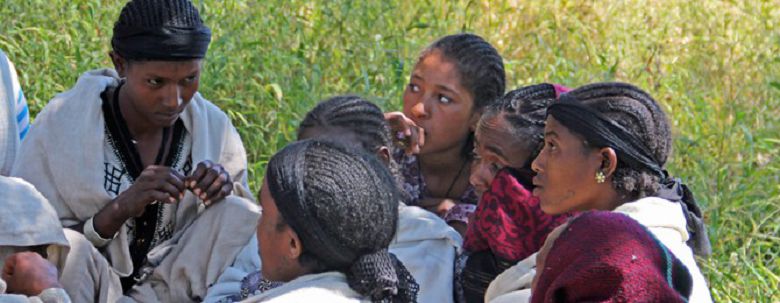
Launched at the July 2010 XVIII International AIDS Conference in Vienna, Austria, and updated periodically, this website provides strategies and evidence on a range of gender-sensitive programming for women and girls from countries around the world - with a focus on the global South.
A selection of topics that can be explored on this website:
This resource is designed to guide donors, policymakers, and programme managers in planning effective HIV/AIDS interventions for women and girls.
A selection of topics that can be explored on this website:
- Prevention for women, including condom use, partner reduction, and treating sexually transmitted infections (STIs);
- Prevention for sex workers, drug users, prisoners, migrants, and transgendered women and men;
- Prevention and services for adolescents and young people;
- Prevention for young people, including encouraging behaviour change and access to services;
- HIV testing and counselling;
- Treatment provision, access, adherence and support;
- Meeting the sexual and reproductive health (SRH) needs of women living with HIV;
- Safe motherhood and prevention of vertical transmission of HIV;
- Preventing, detecting, and treating co-infections such as tuberculosis (TB), malaria, and hepatitis;
- Strengthening the "enabling environment", including transforming gender norms, legal norms, advancing education, reducing violence against women, promoting women's employment, reducing stigma and discrimination, and promoting women's leadership;
- Care and support for women and girls, orphans, and vulnerable children; and
- Structuring health services to meet women's needs.
This resource is designed to guide donors, policymakers, and programme managers in planning effective HIV/AIDS interventions for women and girls.
Source
Emails from Melanie Croce-Galis to The Communication Initiative on August 17 2010 and September 30 2016. Image credit: The Evidence Project
- Log in to post comments