










































Gender and Polio Profile
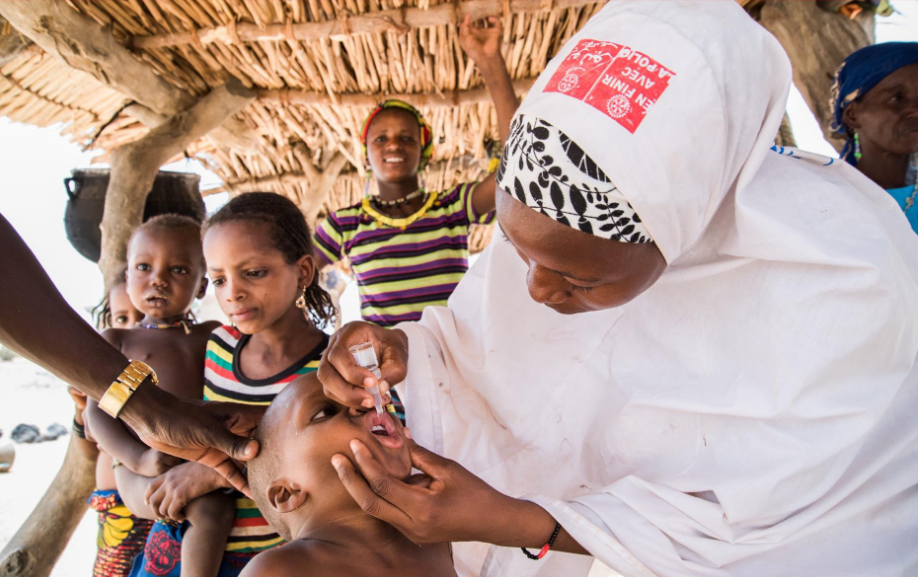
"Increasing women's meaningful participation in polio eradication is not only important in terms of promoting equality, but in many settings women's increased participation affects the reach and effectiveness of polio eradication efforts."
Gender norms, roles, and relations, and gender equality, influence global polio eradication efforts. The Global Polio Eradication Initiative (GPEI)'s Polio Endgame Strategy notes an increasing focus on gender as a determinant of health-seeking behaviours and a critical variable in vaccination outcomes. The Global Center for Gender Equality (GCfGE) at Stanford University, through its GenderTech Team, provides technical assistance to the Enhanced Polio Surveillance at the Community Level in Africa Project. GCfGE developed the Gender and Polio Profile to enhance the understanding by project staff of the links between gender and polio eradication and to support them to integrate gender in the design and implementation of project activities.
The project involves the African Field Epidemiology Network (AFENET), which supports community-based organisations (CBOs) in Cameroon, Chad, Democratic Republic of the Congo (DRC), and Niger in a variety of technical areas (see section four of the report for gender profiles of these CBOs). A core strategy in the AFENET programme is community-based surveillance (CBS), which is an active process of community participation in detecting, reporting, responding to, and monitoring health events in the community. Local community members (such as traditional healers, traditional birth attendants, elders, religious leaders, teachers, social mobilisers, community health workers, and others) are trained to recognise cases of the targeted diseases - in this case, polio - and how to report them. Volunteers also mobilise their communities and raise awareness on disease prevention and treatment.
According to GCfGE, the relevance of gender analysis to effective CBS is clear. The performance of CBS volunteers is affected by gender norms and gendered practices in their households and communities. In addition, many of the people involved in CBS play significant roles in shaping and enforcing community expectations about the entitlements and appropriate behaviours of women and men. The way these community roles interact with their role as CBS volunteers will affect the results achieved. For these reasons, understanding gender relations and norms in the community, and addressing gender barriers facing volunteers, is critical for effective CBS.
While several existing studies of gender and immunisation look at how gender affects individual caregivers and service providers, GCfGE argues that CBS is not easily analysed through this lens. The focus on individual behaviours can obscure the ways the social environment - community dynamics or the health system, for example - influences individual decisions about immunisation. More appropriate - and what is used in this Gender and Polio Profile - is an ecological framework, which recognises that gender inequality affects health outcomes through complex pathways. This framework captures both the demand and supply side of immunisation services, recognises the importance of the context, and enables analysis of how gender norms and relations can affect community networks and volunteers involved in surveillance.
For these reasons, the report discusses the gender dimensions of polio eradication in terms of enablers and constraints at the various levels of the ecological framework:
- At the individual level, there are four main gender barriers: education and literacy, time as a resource, experience with the health system, and financial constraints. For example, women who experience discriminatory treatment or are stigmatised as bad mothers because of sick or malnourished children may be reluctant to seek out health services (e.g., polio immunisation) in the future.
- The different roles and status assigned to women and men in the household affect women's control over resources and the decisions they can make, including those related to health care. For example, women may need permission from their husband or others to meet any costs associated with health services or travel to services outside their household or community.
- Community context impacts women's and men's opportunities and constraints in a variety of ways that are relevant to polio eradication strategies. Examples include:
- Social hierarchies based on ethnicity, socio-economic status, gender, and other social markers affect the status of households and individuals influencing their access to services and participation in collective processes.
- Cultural and religious beliefs affect how is disease understood and how preventative measures are valued and the impacts of these beliefs are often gendered.
- Women from socially excluded groups may lack social connections that make going to a health facility easier, such as knowing the health workers or being able to travel with other women or access support for childcare or other household needs.
- Women's opportunity to voice their concerns, and power to influence decisions and community programming around health, are often limited by gender roles and structural gender inequality.
- Communities shape and uphold gender norms that influence household decisions and actions. Women are judged on how they live up to community standards about what it means to be a good wife or mother, and the health of a child may be taken as an indication of her capacity as a mother to maintain and nurture her child. Community gender norms can also affect the actions of volunteers recruited to support CBS.
- Gender-based violence (GBV) affects women's access to health services for themselves (e.g., wehen they avoid health services to avoid healthcare workers finding out about the violence and therefore damaging the reputation of their husband and family) and their children. Women who experience violence from their spouse generally also report controlling behaviours by their husband. The threat of violence in community spaces is a common rationale for households or communities to limit women's mobility, which can affect women's access to health services and be a barrier to women becoming community health workers.
- Child marriage, a form of GBV, also has a direct impact on girls' and women's access to and utilisation of health services, including immunisation. Adolescent girls who forced into early marriage are less likely to have knowledge about health and weakened bargaining power, including on health decisions.
- In the health system,
- Child health and immunisation are based on gender norms. Services that recognise the gendered division of labour that puts responsibility for childcare on mothers and that explicitly address the barriers they may face because of their gender may be more effective in reaching women and children.
- In terms of human resources with the health system, women's position in the health system reflects social hierarchies: They are most represented at the bottom of the system and generally have lower status and pay and often face harassment and disrespectful treatment at work. Yet in areas where women's seclusion and restricted mobility are prevalent, women may not seek care for themselves or even for their children unless they have access to a woman health worker. In settings where social and religious norms restrict contact between women and men, male workers had no access to mothers and men in the family were less able to provide reliable information on children's health.
- More broadly, problems related to communication or information include lack of community outreach by health services, language barriers, inadequate or poorly targeted media messages, and inaccurate or insensitive delivery of information from health workers. There is also a need for more health information designed to reach men and other household decision-makers. Communications related to child health often place all the responsibility on women and can reinforce harmful gender stereotypes. Recognising that fathers (and sometimes elder women in the household) often act as gatekeepers for health care, health education could aim to build their understanding of the importance of vaccination and encourage them to share responsibility with mothers in making sure that their children are protected.
The report provides several areas for further consideration by project partners in order to further integrate gender issues in polio eradication, including:
- Programming, data, and analysis: Efforts to systematically collect, analyse, and use polio and acute flaccid paralysis (AFP) data (qualitative and quantitative) disaggregated by sex and other factors (e.g., age, ethnicity, socio-economic background, and disabilities) whenever possible can provide a basis for identifying context-specific gender enablers and barriers. Using participatory methods in data collection, while ensuring equitable participation of women and men from diverse backgrounds, can contribute to community and women's empowerment.
- Outreach and communication: Undertaking gender analysis of community engagement and social mobilisation can support development of gender-intentional outreach communication interventions that address gender barriers, such as literacy, and work within community dynamics. This analysis can include ensuring the effective participation of women and men in the design, testing, and delivery of outreach tools and materials.
- Capacity-building of CBO staff: GenderTech may want to consider gender focal points to augment capacity-building efforts to date.
- Community-level staff: Working with women and men CBS workers/community health workers and frontline workers to undertake analysis of key challenges and barriers affecting their work will support addressing gender barriers, such as facilitating safe and convenient transport, capacity-strengthening and professional development (particularly in gender-sensitive communications), and safe work environments free from violence, harassment, and discrimination.
GPEI website, June 24 2022. Image credit: Sam Phelps
- Log in to post comments