










































The Regional Livelihoods Advocacy Project (REGLAP)
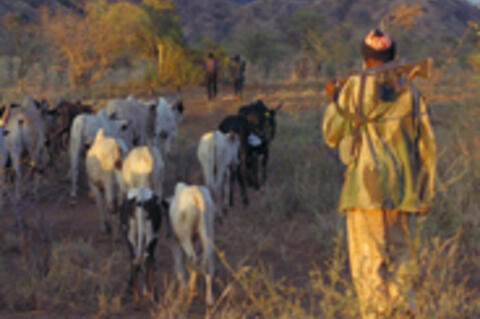
The first phase of the project focused on building evidence around five thematic areas and establishing a policy and practices baseline. As part of this phase, the project produced a number of documents for the media including a handbook for journalists and a media summary of pastoralism. The journalists’ handbook is designed to help journalists appreciate the success of pastoralism and understand how it works. The media summary was produced to highlight the negative bias of coverage which tends to portray pastoralists as war-like, hungry, backward, and aid-dependent.
Click here to download "Get To Know Pastoralism - It Works!: A handbook for journalists".
Click here to download "Pastoralists Get a Bad Press: Why?".
Other studies and papers written during this phase included a review of laws and policies in the Horn and East Africa; a paper on pastoralism and climate change; a paper on demographic trends, settlement patterns, and service provision in pastoralism; a paper on social protection and preparedness planning; and a paper on mobile pastoral systems and international zoosanitary standards. Each of the reports is intended to present evidence-based research findings to overcome misconceptions and misunderstandings regarding particular aspects of pastoral livelihoods, and highlight appropriate policy recommendations that favour pastoralist systems. The reports also present evidence to help inform thinking in order that policymakers can keep abreast of new opportunities and threats in the rangelands. Click here to access these papers in PDF format (under REGLAP papers).
The second phase of the project ran for 12 months from July 2009 - June 2010. This part of the project undertook to influence governments, donors, and regional bodies on the need to apply a holistic approach to addressing pastoral vulnerability. Organisers say drought risk reduction offers an opportunity to do this. Phase two audiences included governments of Ethiopia, Kenya, and Uganda, regional governmental bodies, and also policy influencers and decision-makers among international donors, United Nations agencies, non-governmental organisations, and media. This phase of the project was designed to create an advocacy space that would promote necessary policy and practice change. To achieve its objectives, the project tackled the common misconceptions that prevent swifter and more appropriate action, and enhanced understanding on issues of climate change and population expansion as global challenges that policy-makers must act quickly to address. Key activities included knowledge and good practice gathering; policy dialogue; promoting policy and practice change; and building civil society capacity for advocacy related to pastoral livelihoods.
Natural Resource Management, Economic Development, Climate Change, Pastoralism
Pastoral communities in the Horn and East Africa have adapted over the ages to thrive in some of the harshest conditions – hot and dry regions with low and erratic rainfall. Today pastoralism makes a significant contribution to the GDP of many Horn and East African countries, and contributes to the livelihoods of millions of people. However, pastoralism continues to be neglected, undervalued, and overlooked by governments and policy makers. Recent recurrent droughts, land fragmentation and other drivers of change are now stretching pastoralists’ coping strategies to breaking point. Many of the less fortunate have fallen into destitution and increasing poverty.
According to REGLAP, governments and international agencies have yet to find effective solutions to the complex natural and political vulnerabilities of pastoral communities. Responses have not always respected the complexity of pastoral livelihoods. A focus on short-term interventions has failed to address the underlying causes of problems and in some cases has compounded them.
Oxfam UK, Save the Children, Veterinarians without Borders Belgium, Care, Cordaid, Reconcile, and Overseas Development Institute (ODI).
Oxfam website and Reducing the Vulnerability of Pastoral Communities (PDF) on January 3 2011.
- Log in to post comments