










































The Birds and The Bees Peer Education Programme
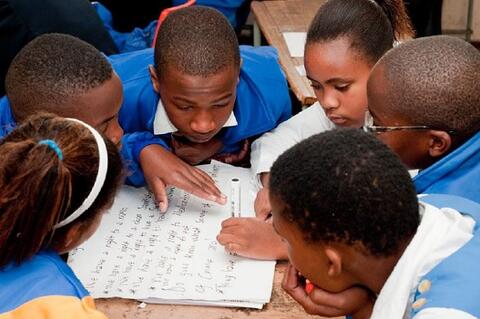
The Birds and The Bees programme began as an annual youth camp in 1999, and is now a 13-week programme involving a series of interactive workshops. Rape Crisis identifies schools that are at a high risk for sexual bullying and where there are a high number of rape survivors among the learners. A group of 20 to 25 learners from grades 10 and 11 are recruited to take part in the training course, which is designed to equip them to act as a resource for rape survivors. The objective of the programme and camp is to provide practical skills and information. This includes equipping participants with an understanding of rape's impact on survivors, as well as the legal and health services available. The activities are also intended to encourage students' own positive change in attitudes and beliefs about sexual assault.
The 4-day camp continues to be an integral part of the programme. The newly trained peer educators from different schools come together to share their knowledge and experiences and to plan activities. The students take part in workshops, discussion groups, physical activities, and art and music, designed to allow them to reflect and engage more deeply with the course content. For example, participants may climb a nearby mountain and then reflect on how their experience of climbing the mountain mirrored some of the challenges they face in their lives. Team-building games are used to prompt discussions on the importance of teamwork in combating sexual violence in their schools. Participants consolidate their learning and experiences by writing their own stories about their journey within the Rape Crisis peer education programme.
In addition to being a point person for rape survivors and a change agent within their schools and communities, the peer educators organise awareness-raising activities, such as poster campaigns on commemorative days and various activities that highlight the issue of sexual bullying in schools.
Birds and the Bees is guided by a training manual, which Rape Crisis is planning to develop for publication so that the programme can be adapted and run in schools around South Africa. In addition, some former peer educators began training in August 2014 to become facilitators, so that they can share the programme with others in their community.
Youth, Gender-based Violence
The peer education programme is being run in response to the high numbers of young people who are survivors or perpetrators of violence. "Young people are routinely exposed to violence in their schools and communities: 40% of rape survivors are under the age of 18, and up to 28% of young South Africans report that their first sexual experience was forced. Over 60% of men in South Africa who have forced women or girls into sex did so for the first time between the ages of 10 and 19. Interventions with youth therefore play an important role in the fight against all forms of sexual assault."
Impact:
"Peer educators have shown astonishing openness and readiness to change their ideas and behaviours. Feedback from the students has indicated positive change in attitudes and beliefs about sexual assault, and a consequent change in behaviour. Boys in the programme have reported changing violent and abusive behaviours towards girls, and challenging the boys around them to do the same. Students note that their ideas about gender roles have been challenged, which has had an impact on how they think about relationships.
Participants in the programme have also developed an understanding of rape's impact on survivors and the opportunities for legal redress, and are enthusiastic about offering their support and sharing their knowledge with their peers."
As the course also fosters life skills such as communication, leadership, self-confidence, and respect for others, the programme has resulted in some participants leaving gangs since joining the programme, while others have stopped using drugs and directed their energies instead into positive activities in their schools and communities.
Rape Crisis Cape Town Trust, Oxfam Australia, MATCH International Women's Fund
- Log in to post comments