










































1 minute
Bridging the Divide: Social Norms Research and Intervention
Abstract for a Skills-Building Workshop from the 2022 International SBCC Summit in Morocco:
"Effective social and behavior change program design and evaluation rely heavily on understanding and targeting norms that underly harmful practices. Considering the multiplicity of social norms and their influence on behaviors, identifying and prioritizing norms as well as measuring them, requires skills, tools and approaches beyond the existing quantitative measures. This skill-building session uses an interactive experiential learning format to familiarize researchers and program practitioners with easy-to-use tools to integrate social norms theory into practice for effective social and behavioral change interventions. This session will start with an introduction to social norms, with respect to their influence on behaviors in different contexts, and then move into group exercises where participants apply several participatory tools to identify norms related to selected outcomes, prioritize them through engagement with the community and then, use the social norms data generated, to identify opportunities for interventions to foster effective and sustainable social norms change. This will be done using real, multi-sector project case studies and evaluation data to help participants apply this approach to different stages of the project life cycle. The plenary, following the group work, will focus on laying out the steps involved in using information gathered on social norms to design effective interventions and linking participants to additional resources."
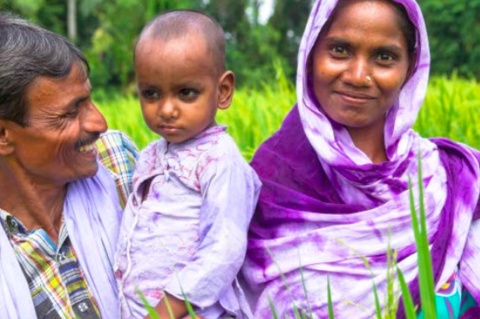
Approved abstract for the 2022 SBCC Summit in Marrakech, Morocco. From SBCC Summit documentation. Image credit: Erin Lubin/CARE