










































CARE Rapid Gender Analysis COVID-19 Pacific Region
CARE
"Women are playing an indispensable role in the fight against the outbreak - as health care workers, as scientists and researchers, as social mobilisers, as community peace builders and connectors, and as caregivers. It is essential to ensure that women's voices are heard and recognised." - Mohammad Naciri, Regional Director, UN Women Asia and the Pacific
This document reviews the gendered impacts of COVID-19, taking into account the particular needs, capacities, vulnerabilities, and coping strategies of men, women, boys, and girls in the Pacific region. Based on a secondary data review, the Rapid Gender Analysis (RGA) aims to inform humanitarian programming in the Pacific region, particularly in the areas of: gender-based violence (GBV); health; water, sanitation, and hygiene (WASH); and women's economic empowerment.
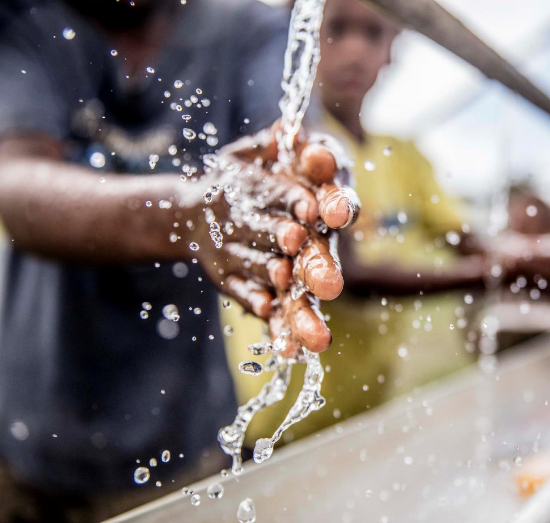
The report begins with an explanation of how the population dynamics in the Pacific pose a challenge for disease control in the region. Population movements, high-density settings, and communities where 20 people can live in one household can cause diseases to spread more readily. Across the Pacific, there is significant variation in WASH access, with much lower access (e.g., to soap) in remote or rural areas, which makes good hygiene practices such as hand washing more difficult. Furthermore, women consistently experience significant difficulties with access to sanitation, as well as exposure to violence whilst accessing sanitation facilities.
In addition to these challenges, the report notes that a COVID-19 outbreak in the Pacific could disproportionately affect women and girls in a number of ways. These include "adverse impacts to their education, food security and nutrition, health, livelihoods, and protection. Women are the primary care givers in the family and are key health care frontline responders placing them at increased risk and exposure to infection. Maternal and sexual reproductive health needs continue in an emergency but risk being de-prioritised. COVID-19 risks increasing women's workloads, caring for children as schools close and the sick. Additionally, there is a risk of increased family violence in a region where pre-existing rates of violence against women are already very high."
The report discusses the findings of the RGA as they relate to: gender roles and responsibilities; decision making within households and communities, including around humanitarian services; control and access to resources and services such as food, land, transport, health services, information, and WASH services; protection in relation to GBV and child protection; and capacity and coping mechanisms in relation to livelihoods and agriculture, savings, and general household resilience. The following findings are highlighted:
- Women - as primary caregivers and with high domestic responsibilities, including food security - will have an increased workload.
- Women are key frontline responders in the healthcare system, placing them at increased risk and exposure to infection.
- Women's engagement in decision making and leadership is low, despite domestic responsibilities and role as healthcare providers.
- Women are well placed to deliver community risk communications due to their roles, responsibilities, and networks.
- Women's economic status will be affected, as key sectors such as tourism are impacted and quarantine measures affect the informal sector.
- GBV may increase with the implementation of isolation and quarantine measures.
Based on these findings, the report offers 7 key recommendations for all humanitarian actors to take into account when funding, designing, and implementing COVID-19-related programmes in the Pacific. In brief, these are:
- Conduct country-specific gender, disability, and inclusion analyses, with contextualised response recommendations - The report notes that "whilst this is a Pacific analysis, every country within the Pacific has its differences. Therefore it is important to conduct country specific analyses that take into account country specific dimensions for gender (including those for people of diverse Sexual Orientation Gender Identity and Expression and Sexual Characteristics - SOGIESC), disability, age and other marginalised populations."
- Ensure availability of sex and age disaggregated data, including on differing rates of infection, economic impacts, care burden, and incidence of domestic violence and sexual abuse - This enables organisations to monitor the impacts of COVID-19 on different vulnerable groups.
- Commence COVID-19 risk communication and awareness immediately, engaging women in the development, design, and delivery of risk communication and awareness materials - In particular, the report recommends that imagery should depict women, as well as men and women working together to share household and caring work (cooking, cleaning, caring for children) safely and hygienically to fight the spread of COVID-19.
- Ensure that response teams include men, women, and people with disabilities and that essential protection policies and mechanisms are in place - For example, ensure a diverse response team that is represented by a cross-sector of the community so that agencies will have outreach to the more vulnerable and marginalised. Community feedback mechanisms should also be established or strengthened to enable reporting of any issues relating to staff or volunteer conduct.
- Ensure meaningful engagement of women and girls in all COVID-19 decision making on preparedness and response at the national, provincial, and community levels, including their networks and organisations, to ensure efforts and response are not further discriminating and excluding those most at risk - For example, responders should ensure an equal voice for women in decision making in the response and long-term impact planning by reaching out to women's organisations, networks, and women leaders in the community.
- Ensure that preparedness and response activities reach men, women, boys, girls, people with disabilities, and other marginalised groups and include specific sexual and reproductive health (SRH) and economic recovery initiatives - This includes ensuring: that public health messages are tailored to reach these groups; that essential health services for women and girls, including SRH services, are protected; and that the development of mitigation strategies address the economic impact of the outbreak on women and build women's resilience.
- Prioritise services for prevention and response to GBV in communities affected by COVID-19 - For example, CARE stresses that GBV referral pathways should be updated to reflect changes in available care facilities, while key communities and service providers must be informed about those updated pathways.
CARE website, April 3 2020. Image credit: Mark Chew
- Log in to post comments