










































Child Brides: Stolen Lives
This effort to protect the rights of children and youth - especially girls - draws on the use of various ICTs to personalise the problem of early/forced marriage, to highlight the work of people who are addressing it, and to share information, resources, and ideas for action.
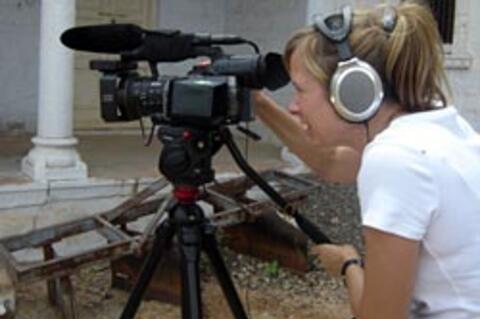
Specifically, the film was broadcast on television in the United States, and then made available on the Child Brides: Stolen Lives website. Anyone may view video, audio, and/or a written transcript of the programme, which focuses on personal stories of those affected by, or addressing, child marriage; a "Girls' Voices" section is designed to enhance the film through specific stories. The website also features producer Amy Bucher's journal, which chronicles her time shooting the documentary in Niger. In addition, NOW's Senior Correspondent reflects on her experience reporting "Child Brides: Stolen Lives."
ICT is used here not only to share images, words, and experiences to make a potentially abstract issue "real", but also to educate the public through the dissemination of information online. Sections of the project website feature facts about child marriage, and details about the difference that one strategy - girls' education - has made around the world. A page designed for educators includes plans for showing the film and then creating small group and/or full class activities to help students understand: the societal and generational impact of child marriage, the strength of community-based strategies to end the practice, and the role of global partnerships as a solution. Assessment (testing) guidelines and a handout are offered.
The project website is also a tool for advocacy. The "Take Action" and "How You Can Help" sections offer ideas and downloadable resources. Visitors to these portions of the site may learn how to write a letter to national and/or international leaders to urge them to highlight the issue of child marriage. They can find out about how to join campaigns to address child marriage, as well as learn how to take part in efforts to increase access to education for all girls. Those interested in starting a "Girls Learn International" chapter can access guidelines for doing so here. An action kit for young women is also offered.
Face-to-face events held in the United States around the time of the film's premiere were designed to enhance the film and online resource. In October 2007, Rosa Lacan, a young Guatemalan peer educator, and the Population Council's Marta Julia Ruiz, a poverty, gender, and youth expert, visited New York City during the initial screening of "Child Brides: Stolen Lives." Lacan and Ruiz work to educate, encourage, and empower Mayan communities in Guatemala to raise the age of marriage. For example, the Population Council works to increase girls' social support networks, connect them with role models and mentors, build a base of critical life skills, provide professional training, and strengthen their capacity to mobilise the often-limited resources available to them. To spread the word, the Population Council circulated announcements inviting journalists to interview the Spanish-speaking Lacan and Ruiz, and/or to make arrangements to include bilingual child marriage experts in the conversation for translation.
Girls, Rights, Education.
Project partner the Population Council explains that "Child Brides: Stolen Lives" highlights realities such as these: Mayan girls in Guatemala marry earlier than boys and nonindigenous girls: nearly 40% are married by the age of 18. Without intervention, the Population Council holds, these girls are likely to leave school and marry early, particularly since only 14% of young Mayan girls complete primary school. Leaving school early can set in motion early marriage, in addition to what the organisation describes as "frequent unsafe pregnancies, social isolation, arduous domestic and childcare burdens, limited decisionmaking power within and outside the family, and gender-based violence." For additional Population Council information and resources on the issue of child brides, click here.)
NOW and the Population Council.
Email from the Population Council Office of Public Information to Soul Beat Africa on October 10 2007; and Child Brides: Stolen Lives website.
- Log in to post comments