










































Digital Storytelling Project: Using Narrative and Participatory Media to Explore the Links Between Gender, Violence, and HIV and AIDS in South Africa
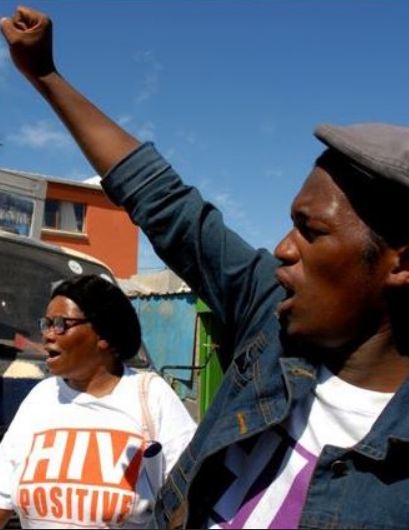
This 9-page case study shares the experience of Sonke Gender Justice’s Silence Speaks Digital Storytelling Project. Since 2007, Sonke and Silence Speaks have been working together to enable young people and adults affected by violence, and HIV and AIDS to create and share their stories digitally. The goal of the collaboration is to deepen existing conversations about gender norms and prevent the further spread of these twin epidemics. According to the case study, while stereotyped representations of masculinity and sensationalised portrayals of gender based violence (GBV) can readily be found in global popular media, the Sonke digital stories present an alternative vision that emphasises the importance of reflection, hope, and a vision of change.
Silence Speaks has worked with Sonke to coordinate nine workshops, including two pilot sessions, an assistant facilitator training workshop with Sonke staff, three rural workshops with men and women affected by HIV and AIDS, two rural workshops with young people affected by HIV and AIDS, and one workshop with traditional leaders. In each of these sessions, participants explored how their past life experiences have led to their personal commitments to challenge violence and expose its connection to HIV and AIDS. For all workshops, Silence Speaks employed a careful process of informed consent to ensure that participants were ready to share their stories. Facilitators helped participants decide what information they felt comfortable revealing, in their scripts and images, and talked with them about the potential implications of bringing their stories into the public realm.
The report explains that the workshop series has served numerous purposes, including familiarising Sonke staff with the techniques of digital storytelling; supporting the healing of survivors of violence; building local leadership among rural residents impacted by HIV and AIDS; providing youth with skills for avoiding abuse and protecting themselves from HIV and other STIs; and elevating the voices of trusted community leaders who are speaking and acting with courage in support of gender equality. Sonke's purpose in sharing digital stories is to make local voices and images the centerpiece of its campaigns to promote new visions of masculinity and gender equality in South Africa. Sonke staff and partners are screening these videos in a variety of settings, as tools for encouraging reflection and opening hearts and minds about how gender norms and violence impact health, relationships, and the spread of HIV.
The case study outlines the following as key aspects of this programme:
- Story Compilations and Discussion Guides: With the goal of ensuring that a wide range of audiences can view the stories, Silence Speaks produced four compilation DVD story collections featuring work in English, Xhosa, Venda, and other South African languages (with English subtitles), along with accompanying discussion guides. The story collections address a spectrum of public health and human rights issues including gender equality, HIV stigma, xenophobia, interpersonal violence, and sexual assault.
- Supporting South African Traditional Leaders in Speaking Up For Healthy Communities: In an effort to bring the voices of Traditional Leaders to the forefront of ongoing national debates about the role of tradition and culture in health promotion, the Sonke Silence Speaks Digital Storytelling Project coordinated a workshop with Traditional Leaders and produced a compilation DVD and Discussion Guide entitled, "Stories of Courage and Leadership: South African Traditional Leaders Speak Out to Engage Men in Creating Healthy Communities." Leaders from KwaZulu-Natal and Eastern Cape Provinces created powerful digital stories that explore the links between and among history, poverty, gender, violence, and HIV and AIDS.
- Training Men to Support Sexual Assault Survivors: The Criminal Law Amendment Act was a landmark piece of legislation for supporting the rights of sexual violence survivors, however widespread public education and the creation of community-based mechanisms for holding government accountable are critical for effective enforcement. Sonke and Silence Speaks collaborated to develop and pilot training and communications designed to build awareness of the law, as well as knowledge and skills among men for appropriately supporting survivors of rape and sexual assault.
- Mobilising Communities Through Radio: As part of a large-scale radio communications project, Silence Speaks scripted a series of call-in shows focused on gender and HIV and AIDS. Each show features a digital story as a jumping off point for discussion between programme hosts and Sonke "experts", with opportunities for listeners to call in or text their comments and questions. The digital stories were rerecorded in several of South Africa's official languages, and hosts at local community radio stations were trained on Sonke’s rights-based approach to engaging women and men in the prevention of gender based violence and HIV and AIDS. Following these trainings, the digital story-based radio shows were broadcast at the local stations, in the relevant local language, resulting in rich discussions and active participation by listeners.
The case study outlines how the Sonke Silence Speaks Digital Storytelling Project has led to the creation of an important model of the potential impacts of digital storytelling, which rests in a continuum of strategies for developing and sharing stories. Digital storytelling workshops offer a safe, supportive environment in which participants of all ages and walks of life can explore their histories and reflect on how they got to where they are. Through making stories, participants connect deeply with themselves and with others, thereby accessing the hope and intimacy that trauma and other difficult life experiences often obscure. Beyond the language and technology literacy education that happens in the context of a workshop, digital stories are ideal tools for supporting learning and awareness. Their directness of emotional expression makes them appropriate for use in support groups, training sessions, and community settings, to encourage individual behaviour change, build specific skills, and raise awareness about social and political issues.
As well, digital storytelling offers opportunities to examine issues across chasms of difference – cultural, linguistic, political, racial, gendered, age-related, etc. Workshop participants gain insight into perspectives they may not previously have considered or felt and are impelled towards leadership and civic participation. Digital stories are also ideal for educating and influencing leaders and decision makers in government and other institutions about policies that need to be developed. Stories are also invaluable to public awareness raising and training efforts, to support accountability in enforcement.
Sonke Gender Justice website on October 23 2013.
- Log in to post comments