










































DIVIS Project (Digital Video Streaming and Multilingualism)
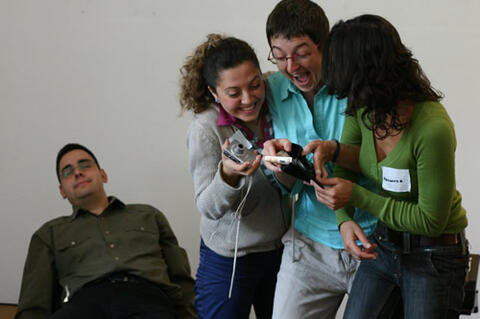
Initial research was undertaken to establish how teachers feel about the use of video production and what skills and experience they have in this area. Guided by the results of the research, the project team developed a support website that, as of this writing, operates in 7 languages and features an online guide to address the teachers' needs, introducing creative and non-conventional teaching methods and samples to support implementation of video work in the classroom. When completed, the manual will include 3 different age groups (ages 10 to 18) and will be released in these languages: Catalan, Dutch, English, German, Icelandic, Italian, Maltese, Romanian, and Spanish.
Elements of the freely available online guide include:
- Photo stories - the first step in the use of video production in foreign language learning. It involves elements of video production such as writing, imaging, and editing, but it uses the less demanding, simpler techniques of digital photography and PowerPoint to create the final product. The photo story is an initial motivating, problem-solving task for foreign language learners (and teachers).
- Video words - especially for primary schools. Teachers learn through a step-by-step guide and examples how to make a short and simple presentation with a video camera using the theme of "words", as well as how to upload this online and share it with other learners and teachers around the world.
- Television news - a format to bring in video production into the area of language learning and promotion. The students can write short scripts - individually or in teams - and they can then record them. This can take place simply in a corner of the classroom, with short additional images overlayed, and/or with short interviews or articles recorded beforehand. They can produce the programmes in their foreign language or in their mother language if they would like to present their language to other learners.
- Video production support.
Also, a video gallery features number of short video examples covering a wide range of age groups - from primary to upper-secondary school students - and a variety of topics (e.g., school presentations, visual language, video words by theme). This gallery is expanding based on a number of school workshops and teacher training courses which are taking place during the lifetime of the project. A quality label will be developed to award teachers who participate by submitting videos to the gallery.
In addition, the DIVIS website provides links to educational and language online portals.
The DIVIS team includes specialists in language teaching, media education, and video production who have built networks; the hope is that the project's lessons will thus reach many more teacher trainers, teachers, and mentors. A final conference is also planned to ensure that potential end users are aware of the project and its outcomes.
Education, Technology.
Kulturing in Berlin e.V.; Talenacademie; Il Perugino; Autonomous University of Barcelona; Catalunya Primary and Infant Education School; University of Pitesti; PNM Languages Services Limited; University of Iceland.
MEDEA - Media in Education Newsletter [PDF], January 2010 Issue; and DIVIS website, January 21 2010.


- Log in to post comments