










































Implications of COVID-19 for Older Persons: Responding to the Pandemic
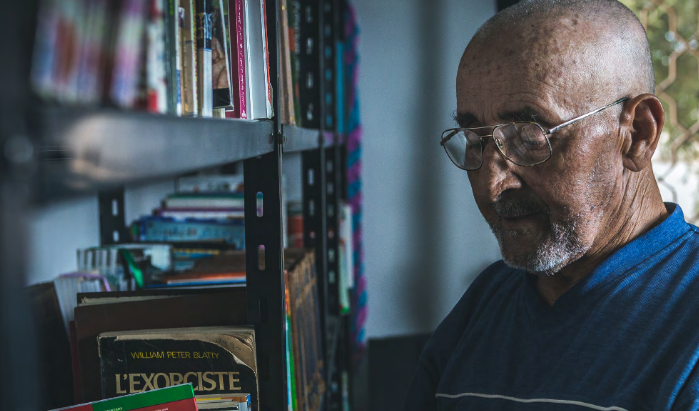
"Older people are particularly affected by COVID-19. They need special attention during the COVID-19 crisis, and their voices, opinions and concerns must be heard."
Developed by the United Nations Population Fund (UNFPA) Global Ageing Network, this technical brief underscores UNFPA's role in supporting the UN COVID-19 response at the country level, emphasising its commitment to the human rights, health, and protection of older persons. The brief also offers recommendations, based on the organisation's support for civil society to advocate for older persons' participation in the policy arena so that their voices can be heard in preparedness for and response to a crisis in which they are the most affected.
UNFPA explains that the heightened risks of COVID-19 for older persons are evident in all national data - e.g., the Imperial College London COVID-19 Response Team reports that symptomatic individuals in their seventies are 20 times more likely to require hospitalisation than those in their twenties. However, because the scale of testing and nature of reporting vary between governments, there is risk of misinformation by generalising from the experience and reports of a given country.
While the number of older persons is relatively and absolutely smaller in developing countries, particularly in Africa, there is concern due to the fact that those countries may have limited experience caring for older patients (including few geriatric specialists), less institutional care for older persons, and fewer public or non-governmental organisation (NGO) support structures for screening, outreach, and community-based care of older persons. Those elders who live alone may face barriers to obtaining not only essential supplies but also accurate information during quarantine conditions; thus, per UNFPA, community outreach is required.
UNFPA is responding to these and other risks and vulnerabilities described in the document by taking actions such as:
- Supporting governments to generate demographic data for preparedness - UNFPA recommends that UNFPA Country Offices, for example, collaborate with the World Health Organization (WHO) to support the development of guidance notes for health workers and caregivers for the systematic screening and surveillance of older persons.
- Advocating for investment in rights and health of older persons within the COVID-19 response and facilitating coordination of UN system action for older persons - UNFPA recommends, for example, collaboration with disability technical working groups and/or the humanitarian coordination architecture to advocate for the support to programmes and specific responses for older persons and their caregivers.
- Providing a gender lens to identify particular vulnerabilities faced by older women, such as gender-based violence (GBV) - For example, in Thailand, UNFPA experts are working with partners from academia, the National Statistics Office, and line ministries to assess the impact of COVID-19 using the Gender and Generation Survey.
- Engaging in risk communication and community engagement (RCCE) - For example, UNFPA indicates that more public health messaging is needed that is specifically tailored to older individuals who live outside long-term care facilities, featuring information on how they can protect themselves while continuing care functions, such as taking care of grandchildren.
- Addressing age-based discrimination and harnessing inter-generational solidarity - UNFPA recommends, for example, the convening of briefings with implementing partners, key interlocutors such as older persons' and women's rights groups, and other organisations representing marginalised communities to ensure that the response to COVID-19 does not reproduce or perpetuate discriminatory practices and inequalities, including within the quarantine experience.
- Working through established UNFPA community networks, including youth and women's organisations and religious and traditional leaders, to cultivate compassion, raise awareness of and protection from the virus, promote healthy behaviour and social norm change, and eliminate stigma and discrimination of older persons, health workers, and caregivers.
Annex 1 documents ongoing initiatives for older persons in the COVID-19 context undertaken by UNFPA Country Offices. For example, in Azerbaijan, UNFPA, through its Active Ageing project, implemented by the initiative of the First Vice President of the Republic of Azerbaijan, has shifted all its activities online to support the #stayhome campaign. Together with its partners, the Ministry of Labour and Social Protection of Population and local NGO Uchuncu Bahar (Third Age) conduct online webinars and peer-to-peer discussions for older persons. In addition, videos and animations have been produced and shared on social media to support older persons in protecting themselves against COVID-19.
Links to key resources are provided in Annex 2 (see also RCCE resources from WHO and HelpAge on page 15).
Editor's note: A relevant May 18 2020 statement by Alanna Armitage, Director of the Regional Office for Eastern Europe and Central Asia of UNFPA - "Older People's Rights and Dignity Must Be Protected Amid COVID-19 Pandemic" - might be of interest. She notes, "We must learn from past mistakes and get serious about creating a society for all ages in which older people are recognized, and supported, as the important pillars of society that they are: as teachers and mentors, carers and volunteers, story-tellers and creators, conveyors of culture, and fighters for rights that we sometimes take for granted."
UNFPA website, and "Older People's Rights and Dignity Must Be Protected Amid COVID-19 Pandemic", by Alanna Armitage, UNFPA, May 18 2020 - both accessed on May 29 2020. Image credit: UNFPA Morocco
- Log in to post comments