










































Infoasaid Sudan
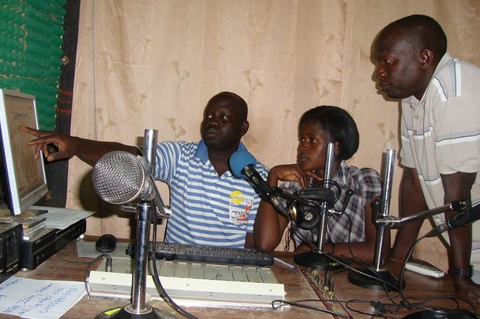
The Infoasaid project was set up in Juba in preparation for the country’s referendum, and an expected increase of returnees from the North. Infoasaid project partners worked with aid agencies to identify the potential humanitarian implications of a mass exodus of people, as well as related information needs. Infoasaid focused on ensuring that as people returned, agencies are able to effectively communicate with them as part of their response to their needs.
The project team developed training modules for agencies, designed to provide an overview of the core components of community communication. These include understanding audience's needs and preferred channels for communication; developing messaging; and setting up feedback mechanisms and other forms of two-way communication. Organisers say the training blends practical simulation exercises with more traditional trainer-led content.
One of the tools the project has developed is the Sudan Media and Telecommunications Landscape Guide, which provides detailed information about how people access information via which channels. This tool compiles existing research and knowledge into a document that is aimed to help aid agencies identify the most appropriate channels and methods for communicating with the communities they are intending to reach.
Another tool being used is a Communication Practice Tracking Survey. This is designed to discover the current nature, means and extent of communication between humanitarian agencies and crisis-affected populations across a range of emergency relief responses in 2011. Organisers say it is being piloted in South Sudan and will most likely be rolled out to the wider humanitarian community throughout 2011.
Disaster Relief, Post-conflict
According to organisers, since the end of the civil war in 2005 and the signing of the country’s peace agreement, 2.5 million people have returned to Southern Sudan without being fully integrated, putting enormous strain on an already fragile infrastructure. Since the referendum the number of returnees is increasing and there are fears of humanitarian crisis as resources are simply too scarce to meet demand. Should there be a resumption of hostilities, this disaster will be compounded as populations move en masse across the country and the basic infrastructure crumbles.
So far the team have worked with PLAN International, Mines Advisory Group and Merlin; they also have training set up with Save the Children. Several other agencies have expressed interest including Medicins San Frontiers, World Vision, UNICEF, and United Nations High Commission for Refugees.
BBC World Service Trust, Internews.
Infoasaid website and BBC World Service Trust website on July 25 2011.
- Log in to post comments