










































Pendekezo Letu (Our choice) - Kenya
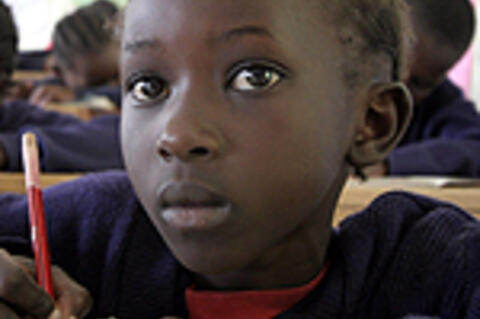
PLK's main programme activities include the following:
- Short-term, residential rehabilitation services for street girls, after which they will be reintegrated with their families and enrolled in formal primary schools, along with their siblings. Approximately 100 street girls reside for a maximum period of 12 months.
- Small-business loans and enrolment in skills training courses for parents and older siblings to ensure sustainable economic self-reliance for the families and consequent access to education to the girls. Parents or guardians are provided with business training and credit in order to assist them establish or expand existing small businesses.
- In order to create awareness of child rights and reduce the high levels of corporal punishment in state-run primary schools, child rights training is provided to key individuals, positive models of discipline and professional codes of conduct are developed and institutionalised, school clubs and resource centres are established, and regular community-awareness campaigns are organised. Furthermore, every child within each family is sponsored in a formal primary school and, on a case by case basis, a limited number of secondary school sponsorships are provided.
- Other activities include counselling, family planning services, and provision of housing loans.
The organisation's ongoing street work programme in Nairobi's city centre includes the following services; medical referral, counselling, recreation, family tracing and reintegration, street-based education, referral to schools, vocational training centres and other organisations, and the provision of business credit to small groups of children who choose not to leave the streets. In addition to all these, PLK provides an intensive remedial education course based on the Kenyan 8-4-4 curriculum. Older siblings within each family are provided with sponsorship in skills training. Moreover, PLK's full time Advocate provides legal representation for children appearing in Nairobi's Juvenile and High Courts, as well as child rights education for juveniles held in remand homes around Nairobi.
Children, HIV/AIDS, Gender
According to CH it is estimated that over 18 million Kenyans live below the poverty line, with little or no access to basic services such as education, health, water, and sanitation. In this way, many are forced to migrate to Nairobi’s slums in search of employment. Parents either rely on children as a means of survival or they are just simply abandoned or orphaned due to AIDS. Caritas Australia reports that according to a survey, it is estimated that 155,000 street children are living in Nairobi. A large proportion of these street children are girls and they are often psychologically, physically and/or sexually abused at home or during their time on the streets. Exposure to sexually transmitted infections is widespread and adolescent pregnancies are common. Moreover, CH mentions that a recent survey estimates that 30% of Nairobi’s street children are girls. Many girls are exposed to STIs and substance abuse, and adolescent pregnancies are common and dangerous street abortions often fatal. Evidence suggests that street girls will often give birth to another generation of street children.
European Union Office in Nairobi, Child Hope, Caritas Australia.
ChildHope UK website on August 25 2004 and Caritas website, Child Hope website, and Pendekezo Letu website on March 17 2009.
- Log in to post comments