






























UniversitÁrea Protegida
UÁP worked by creating opportunities for Nicaragua's future environmental leaders to directly take part in the fight to protect their own country's natural resources. The idea was that, if supported in various ways to participate in this way, the students would become permanent fixtures in the conservation movement in their country. The programme strategy involved matching the needs of university students with those of local NGOs and rural communities so that all 3 benefit in various ways.
Specifically, UÁP worked in partnership with Nicaraguan university students and (underfinanced/understaffed) local NGOs that are managing natural reserves. Through this collaboration, students conducted scientific research and provide support to the NGOs, while completing their degrees through thesis work. In its first year, the programme placed 18 students in 6 of Nicaragua's natural reserves. Research topics were formed with local NGOs managing the areas, and students were selected based on their academic record, economic need, and desire to work in environmental conservation. The programme consisted of 3 phases:
- Student training - Selected students participated in a 1-month training course that outlines the co-management structure of natural reserves, basic environmental education skills, and organic agriculture methods. This training period also involved helping students formulate work plans in conjunction with partner NGOs. The idea here was to match the needs of students with local NGOs who need research help with such initiatives as sea turtle nurseries, endangered bird species restoration, and reforestation efforts.
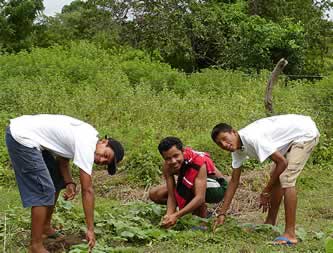
- Research/service period - During this 9-month period, biology and agriculture-ecology students lived with local families in natural reserves, while collecting thesis research data, teaching organic agriculture and environmental awareness classes in schools and community groups, and working with their NGO partners. Meanwhile, tourism students worked with local businesses and NGOs to develop and promote ecotourism.
- Thesis writing - Motivated by the observation that poverty and a lack of opportunities prevents many students from completing thesis work and gaining professional experience, UÁP offered students thesis funding (for research equipment, travel, publication, technical support, and living expenses) and a resource centre (at the central office in the colonial city of León). Specifically, after the 9-month service period, students were supported during a 2-month intensive thesis writing period. Students compiled research data and created action plans based on their results under the supervision of UÁP staff and university advisors. The idea was to present findings in a professional manner that both meets the local NGOs' requirements for valid research and serves as a basis for future conservation efforts. Students were encouraged to contribute articles and information about their work for publication in the UÁP newsletter, which organisers hoped would promote advances and attractions in Nicaragua's natural reserves.
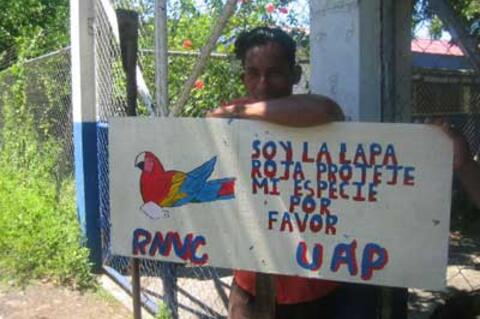
In addition to bringing together local NGOs and students, this programme worked to meet the needs of economically poor people in rural communities within natural reserves. Based on organisers' observation that these people increasingly rely on natural resource extraction as a means of survival, UÁP students worked with park rangers and local teachers to increase environmental awareness in schools and youth groups. They were given reading materials to share with these communities that outlined themes such as environmental activism, social justice, and gender equality. Part of the idea here was to give UÁP students the tools and opportunity to demonstrate the benefits of education to rural youth who have few educated leaders. To this end, UÁP worked with the students throughout the time they spent in these rural communities to help them form strong relationships with youth groups and to serve as positive role models. As a result of such connections, participatory activities were undertaken, including garbage management, school gardens, arts and crafts projects, bird watching excursions, and tree nurseries. Students also worked with local subsistence farmers to advocate organic farming methods.
Environment, Agriculture, Education, Youth.
UAP was founded by two former Peace Corps Volunteers and a Nicaraguan ecologist who worked together in the natural reserve "Estero Padre Ramos". In August 2003, UÁP became project of EII, a non-profit organisation.
UÁP offers this context: Nicaragua has a volatile political, economic, and ecologic background. Like many countries of the third world, Nicaragua is rich in natural resources but is losing the battle to protect them due to economic pressures that leave local populations with no choice but to exploit what they have. UÁP explains that there are 76 designated protected areas in the country, encompassing 18% of the land, but say that very few areas are regulated or managed at any level.
Organisers say that many international groups are involved in the development of protected area management in Central America; they place foreigners in rural communities to take part in education, natural resource management, conservation, sustainable agriculture, small business development, and ecotourism promotion. However, UÁP says that these benefits often fade with time after these humanitarian workers return to their home countries.
SANTEC November 2003 Information Update No. 2; "UniversitÁrea Protegida", by Olin Cohan; EII website, May 21 2010; and email from Susan Kamprath to The Communication Initiative on May 21 2010.