










































Vila Pisa Bem (Walk Well Village)
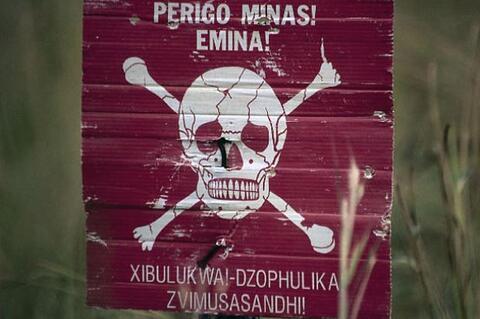
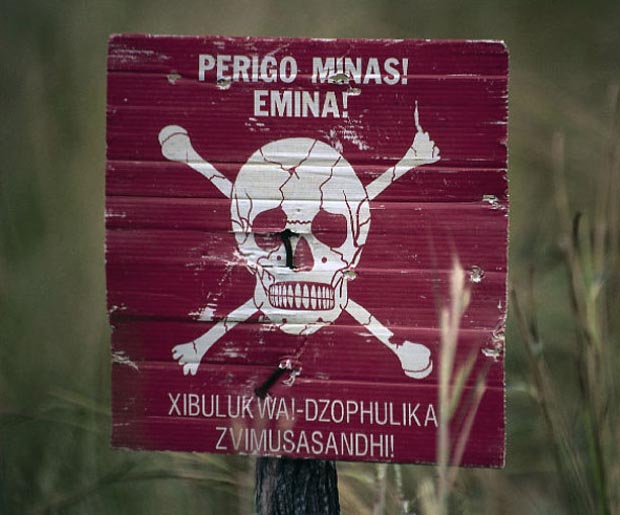
Vila Pisa Bem is serial radio drama with 6 episodes of 10 minutes each. The storyline focuses on a rural community around which a demining operation is in progress. A young village woman who has returned from college in the city for school holidays and a young deminer are the central characters who find themselves searching for a missing brother. Despite landmine accidents and heavy rain that cuts the village off from the main road to town, the two young people and the community "learn about love, dealing with life in a mined community, and the importance of a world without mines."
The radio drama uses an entertainment-education strategy. Through drama and storylines, the series intends to raise awareness about the presence of landmines in the country and encourage people to take precautions. It addresses issues such as safety, the impact a lack of access to medical services can have on mine victims, real dangers of demining, high stress levels deminers face, the importance of a community educator, children's vulnerability to landmine accidents, and vulnerability exacerbated by annual rains. Although the drama is designed primarily for people at risk, e.g., rural communities, the drama also hopes to increase awareness among policymakers, leaders, and the media.
In the second half of 2009, the drama was broadcast in 4 languages on 30 community radio stations across the country through the National Community Radio Forum (FORCOM). Because the majority of the population in landmine-affected areas speak Portuguese, Shangaan, Sena, and Macua, these languages were selected as relevant languages for the drama. Each participating radio station received copies of the Portuguese and relevant local dialect versions.
Formative research was conducted to inform the storylines, identify key issues and information to be communicated throughout the drama, and shape characters. CMFD reviewed published documents, research reports, manuals, and websites related to landmines. The research found that men constitute the majority of victims, and children face the greatest risk of landmine accidents - the former partly because of their greater involvement in economic activities like farming, hunting, and transportation, and the latter because landmines usually contain attractive objects and can be mistaken for other harmless pieces of metal. This information was used to guide the writing of the drama.
The theme music, written and sung by nationally known African group Eyuphuro, was produced to further disseminate messages around landmines and the need to make land usable again.
Conflict
Prior to the writing of the drama, the following research findings by different organisations were noted:
- Estimates put the number of remaining landmines in Mozambique at around 1 million.
- Studies carried out by in 1993 found that 50-60% of the mine accidents were fatal because the victims lacked (rapid) access to health services. Between 1996 and 2000, 564 victims were recorded - specifically: 309 men, 84 women, and 171 children under 15 years old.
- In 2007 and 2008, a baseline assessment of the remaining suspected hazardous areas was conducted in 6 central and southern provinces. The survey indicated that all 6 provinces are contaminated, with approximately 12,164,401 square metres of confirmed mined areas in 541 sites. In addition, there are 33 sites along roads. Borders with neighbouring countries and other potential hazardous areas remain to be surveyed.
- The Republic of Mozambique signed the Mine Ban Treaty on December 3 1997, ratified it on August 25 1998, and became a State Party on March 1 1999.
World Without Mines (WWM), National Demining Institute, CMFD Productions
Community Media for Development website on June 1 2009.
- Log in to post comments