










































Kiva
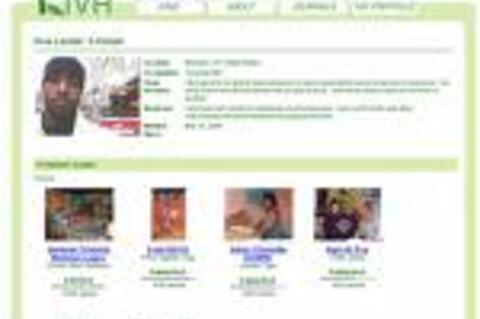
Kiva's strategy is to use the internet to humanise the lending experience, literally allowing lenders and borrowers to see the people with whom they are dealing. The Kiva website includes profiles and photos of the entrepreneurs, as well as information on how much people have borrowed and repaid. That is, information and communication technology (ICT) enables lenders to feel a personal connection with the project they have chosen to finance (with a loan of as little as US$25) instead of feeling that they are giving money to a nameless institution. In addition, like MySpace or Facebook, Kiva functions as a community to connect and inspire loaners, who may browse through profiles of other lenders (complete with photos, hometowns, philosophies, and portfolios) and communicate with fellow philanthropists through interactive blogs.
Specifically, the process works as follows: Budding entrepreneurs in the developing world solicit loans via the Kiva platform. They outline their needs, their plans to use the money, and their ability to repay a loan. Once one or more loaners have selected a particular project to support (and have provided funds through a technology-powered transaction - PayPal or a credit card), Kiva collects the donation(s) and then passes the money along to one of its non-governmental microfinance partners worldwide. These "bankers on bicycles" deliver the money to the borrowers in the local currency, and collect payment. They assume the risk when currency rates fluctuate, but they also charge an interest rate of 20%, on average (which compares with typical interest rates as high as 100% to 200% from traditional lenders in the developing world). Often, the microfinance partner also provides training and other assistance to maximise the entrepreneur's chances of success. Over time (usually 6-12 months), the entrepreneur repays their loan; repayment and other updates are posted on Kiva and emailed to lenders who wish to receive them. (According to organisers, this reflects a trend: Donors are looking for feedback on the impact of their donations.)
Economic Development.
In February 2008, the 250,000th Kiva user signed up; in March 2008, the US$25 millionth dollar was loaned through Kiva.
Click here to view a list of Kiva partners.
- Log in to post comments