










































Building Young Futures
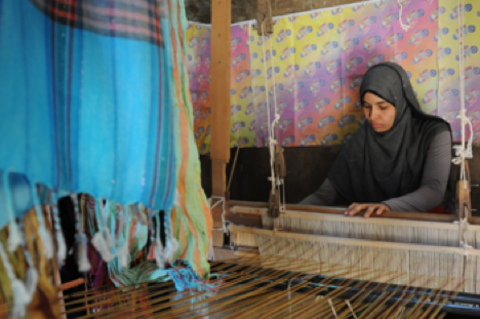
Building Young Futures, begun in 2008, is a partnership between Barclays and the United Nations Children’s Fund (UNICEF) that aims to equip 74,000 disadvantaged young people between ages 15 to 25 in Brazil, Egypt, India, Pakistan, Uganda, and Zambia with the skills, knowledge, and confidence they need to set up their own business or find work.
The second phase of this programme, beginning in September 2012, includes delivering skills-based training, providing mentoring and long-term support as the participants start in business or find work. The partnership also focuses on securing commitments to policy change from the governments that will lead to a stronger and more sustainable economic future for young people.
The programmes vary by country but often include training on: how to develop a business plan and set up and run a small enterprise; budgeting; entrepreneurship guidance; and broader life skills. After training, young people also have the opportunity to gain longer-term support through career guidance sessions, mentoring, and access to work placements.
As well as investing funds, Barclays provides business and financial expertise via the work of their employees, who volunteer their skills to support the programme.
In Brazil, for example, the initiative is helping 500 adolescents to be better prepared to enter and obtain success in the working world by enhancing their competences and building personal and professional development plans. Sergio Souza da Cunha, 16 years-old, is a participant: "Sérgio takes part of the Integrated Environmental Management course in the Sociedade Benfeitora do Jaguaré, one of the five NGOs [non-governmental organisations] that participate in the Building Young Futures project in Brazil. Now, Sérgio hopes that the Building Young Futures project helps him improve his skills to obtain success in his job and in his life. He will have the chance to enrich his knowledge, competences and attitudes, that will better prepare him to know his rights and claim for them; develop analytic thinking, use communication and information technology, manage conflicts and many more."
In the report "Building Young Futures Four Years On", the partnership demonstrated how to use strategies and programmes that include:
- building strong relationships with a number of government bodies and selected community organisations to ensure that the impact is long lasting.
- supporting, through Barclays' employees, partnership including volunteering and fundraising activities, as well as hosting a number of young people in work experience and apprenticeship positions.
- sharing skills and knowledge through financial literacy, business management, including entrepreneurship training, and vocational training.
Country programmes include the following (in 2013):
Brazil
Connecting young people in the slums of São Paolo with the world of work, giving them job skills and experience in building personal and professional development plans.
Egypt
Collaborating with government-supported career centres to provide vulnerable young people with the employability and financial skills needed to become entrepreneurs or to find a job. Young people receive career counselling, work placements, and opportunities to access funds and business support.
India
Enabling young women in the slums of Mumbai and isolated rural villages to develop the skills to build co-operative businesses, manage their money, and share their learning with other young women in their communities.
Pakistan
Equipping the most disadvantaged young people, trapped in economic poverty, with the skills and opportunities they need to realise their potential as full members of the community and help them find a job or start their own small business.
Uganda
Giving young people access to technology at youth centres in rural Western Uganda, equipping them also with business and money management skills and the experience needed to generate an income and set up own their own small enterprise.
Zambia
Providing young people with business skills training, mentoring, and work placements that enable them to access small grants from government youth empowerment funds to set up their own business.
Youth, Economic Development.
According to Barclays, through their financial investment and use of staff expertise, partnerships with governments that reach more young people for the long term have been created, with plans, between 2012 and 2015, to economically and socially empower 74,000 young people .
Barclays and UNICEF
Barclays Building Young Futures website, March 28 and email from Kate Wills on April 16 2013. Image credit: UNICEF/BRZ/Ivan Almeida
- Log in to post comments