










































Post 2015 Hygiene Advocacy Toolkit
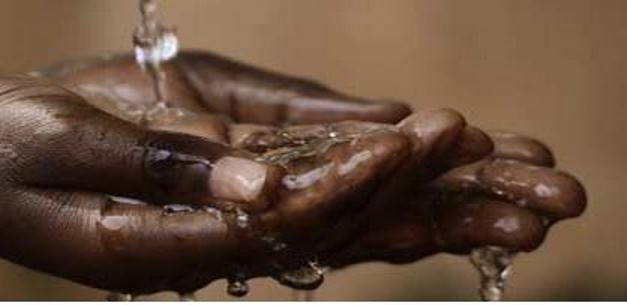
This hygiene advocacy toolkit is an evidence-based resource that outlines why hygiene must be a priority in the Post-2015 sustainable development agenda and goals, now referred to as the Global Goals. It was developed by the Global Public-Private Partnership for Handwashing (PPPHW), in cooperation with the UNICEF/World Health Organization Joint Monitoring Programme (JMP) Advocacy and Communications Group. It is intended for use in making a case for hygiene in the following sectors: water, sanitation, and hygiene (WASH); health; nutrition; education; poverty; and gender equality - by providing definitions, evidence, strategies, and talking points to be used "as a whole, or on a stand-alone basis depending on the context and audience".
The contents include a question and answer format with explicit reasoning for fitting hygiene into the Global Goals and beyond. Talking points are followed by various means of advocating and advocacy letter instructions, including a sample:
- "Provide evidence-based information, solutions, and advice to your negotiators, decision makers, and influencers at national and global level as relevant to make the case for prioritizing hygiene. This can be done by supplying persuasive arguments for the inclusion of hygiene and providing specific ways to include it. Examples of how to do so include through advisory roles, meetings and expert discussion groups, consultations, letters (including sign-on letters), and other methods.
- Advocate directly to influencers and decision makers, attend and speak at events where they will be present, and write articles and blogs that they may read. National decision makers, such as those within Foreign Ministries, Ministries of Planning, Finance, and Education are particularly important, especially with national-level consultations occurring in 2015.
- The private sector can, and should, play a role in national level consultations though CEOs sending letters to decision makers, publishing op-eds, and holding events.
- Translate global discussions and commitments into the local context to make local relevance clear and deliver local action, such as holding meetings, drafting newspaper articles, sending letters, circulating petitions, and the like.
- Media (including traditional and social media) interventions - please see this toolkit for some useful advice.
- Use social media to highlight hygiene, particularly during key events and meetings around the Global Goals, where decision makers may be reading (tag them where appropriate). Use official meeting hashtags, plus others such as #Goal6, #indicators2015, and #KeeptheHinWASH.
- Use global awareness days to raise consciousness about the importance of hygiene in global development priorities. Some key days are:
- Global Handwashing Day, October 15
- World Food Day, October 16
- World Toilet Day, November 19
- Refer to Goal 6 as the water, sanitation, and hygiene goal and encourage leaders in the water sector to actively advocate for the inclusion of hygiene indicators in 'their' goal.
- Encourage leaders in the health, nutrition, education, and gender equality sectors to actively advocate for the inclusion of hygiene indicators in 'their' proposed sector goals.
- Share expertise and lessons learned with others."
Contents include:
- Introduction
- Background
- - What is the Post-2015 Development Framework?
- - What do we mean by hygiene?
- - Where does hygiene fit into the Sustainable Development Goals?
- - Why is Post-2015 advocacy needed for hygiene?
- Hygiene and the Sustainable Development Goals
- Current status of hygiene in the SDGs
- Recommended global indicators for hygiene
- Explanations of global indicator recommendations
- Where hygiene fits in the SDGs outside the Water Goal (Goal 6)
- The evidence for hygiene and talking points
- Tools to advocate for hygiene
- - Overview and how to
- - Sign-on letters, with sample
- - Hygiene petitions, with sample
- - Blogs, newspaper articles, and op-eds, with sample
- Annexes
- - Annex 1: Advocacy opportunities
- - Annex 2: Printable one-pager - Hygiene in the SDGs
16
Global Public-Private Partnership for Handwashing (PPPHW) website, June 4 2015. Image credit: UNICEF
- Log in to post comments