










































Eye to Eye
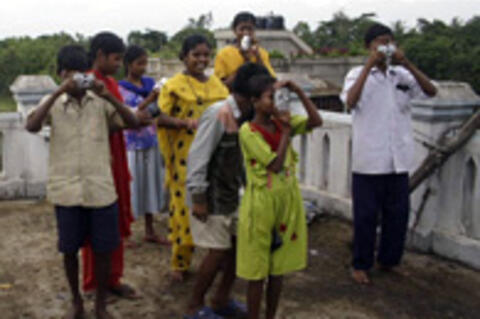
The Eye to Eye project held six photography-based workshops in refugee camps in Lebanon, the West Bank and Gaza Strip, including four seven-day workshops producing materials for local display (in Arabic) and international exhibitions (in English) and for a website developed and managed by the Education Unit of Save the Children in the UK. Two shorter "emergency" intifada workshops focused on eliciting materials for the website.
The workshops used a "powerful, highly participative, expressive methodology which enabled the children to learn new skills and gain self-confidence, think for themselves about their lives and communities, and represent themselves to external audiences." In the workshops, children got to know each other and shared camp life experiences through their photos. They exhibited 700 images with accompanying interviews of elders and other writings relevant to the photos. In some workshops "books" were produced by the children with the purpose of providing a referenced resource from which website, exhibition and other materials could be selected in London. Cameras were left with after-school clubs and partner organisations in the camps to allow children to continue to take photos.
The website provided information for Global Education in the UK and offered a controlled message board system to facilitate interaction and exchange between Palestinian refugee children and other individuals and groups around the world. The website no longer facilitates this exchange, but has archived the messages and stories collected while the project was running. It also continues to incorporate curriculum materials for use by teachers in the UK.
Children, Refugees.
An estimated 100 children participated in the project, including 10 who were involved in later workshops as volunteer assistants or peer educators. A second Eye to Eye project, in India, was planned and piloted in 2003 using digital technology within a similar framework to address child rights.
Education Unit of Save the Children UK.